XRP is one of the most recognized cryptocurrencies in the digital asset market. It has attracted attention because of its connection to fast payment infrastructure, its long history in the cryptocurrency industry, and the ongoing interest surrounding its potential role in cross border payments.
But is XRP a good investment?
There is no simple yes or no answer.
XRP can be attractive to some investors because of its technology, market presence, and potential use cases. At the same time, it carries the same types of risks associated with other cryptocurrencies, including significant price volatility, regulatory uncertainty, market speculation, and changing adoption.
Before considering XRP, it is important to understand what it is, how it works, what gives it potential value, and what risks could affect its future.
What Is XRP?
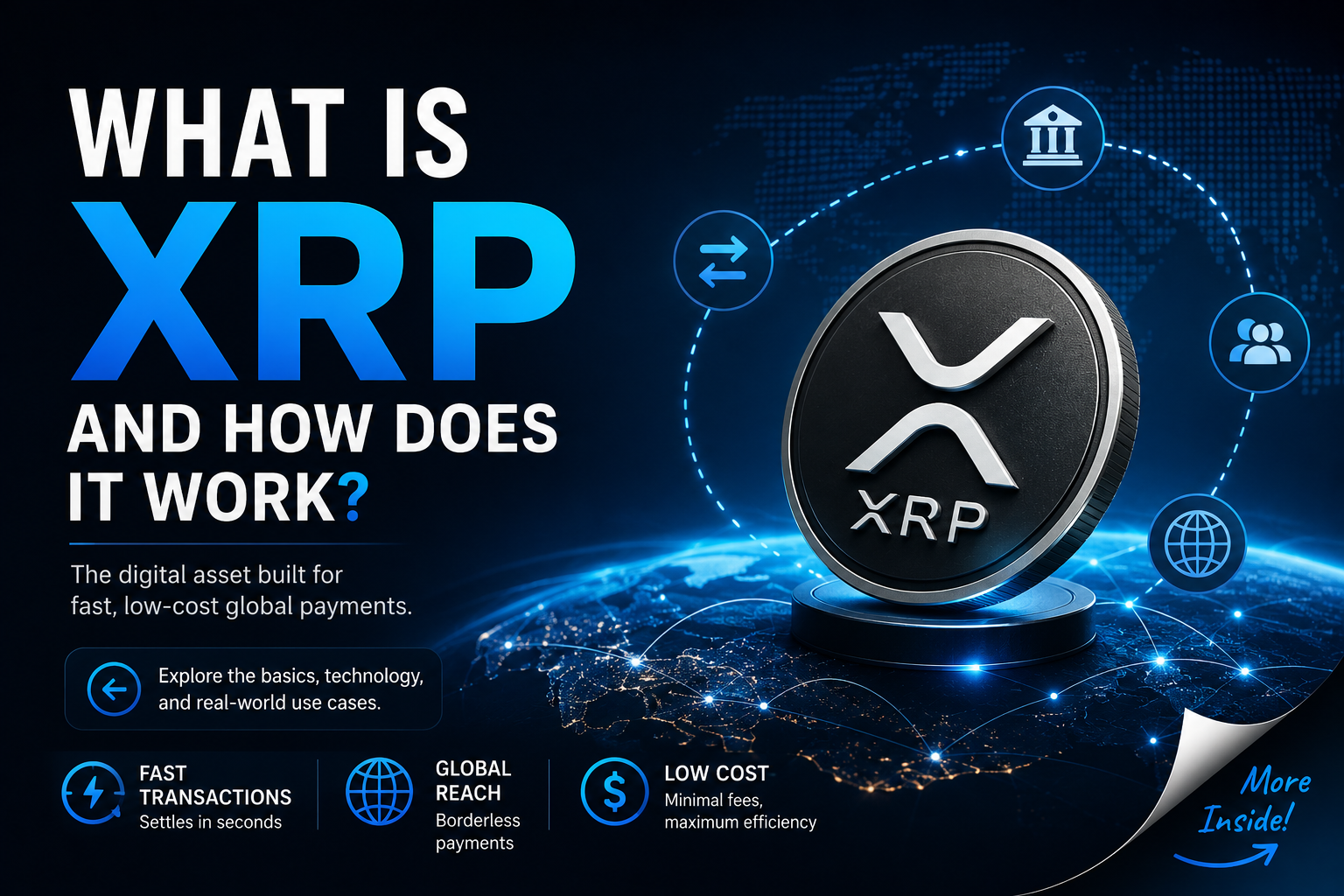
XRP is a digital asset associated with the XRP Ledger, a blockchain designed to support fast and efficient transactions.
XRP can be transferred between users without requiring a traditional financial intermediary to process the transaction.
The XRP Ledger was designed with payments and asset transfers among its potential use cases.
XRP is the native digital asset of the XRP Ledger.
It is important to distinguish XRP from Ripple.
XRP is the cryptocurrency, while Ripple is a technology company that has developed payment related products and services.
The two are often mentioned together, but they are not the same thing.
How Does XRP Work?
The XRP Ledger uses a consensus mechanism that differs from the mining systems used by Bitcoin.
Transactions are validated through a network of independent validators that follow the XRP Ledger’s consensus rules.
This design allows the network to process transactions quickly.
XRP can be used to transfer value between addresses on the XRP Ledger.
The network also supports other blockchain functions, including the issuance of different types of digital assets.
Why Do People Consider XRP an Investment?
Investors may consider XRP for several reasons.
These can include:
- Its established position in the cryptocurrency market
- Its payment related use cases
- The XRP Ledger’s transaction capabilities
- Interest in cross border payments
- Its large and active ecosystem
- Potential adoption of blockchain based payment infrastructure
However, having a strong use case does not automatically mean that the price of XRP will increase.
The value of a cryptocurrency is influenced by supply, demand, market sentiment, adoption, regulation, liquidity, and many other factors.
XRP and Cross Border Payments
One of the most frequently discussed use cases for XRP involves cross border payments.
Traditional international transfers can involve multiple financial institutions and settlement processes.
Blockchain based systems can potentially make some types of transfers faster and more efficient.
XRP has been designed to facilitate the transfer of value on the XRP Ledger.
The broader payment ecosystem surrounding Ripple has also contributed to XRP’s visibility.
However, the success of a payment technology does not necessarily guarantee corresponding growth in the market price of XRP.
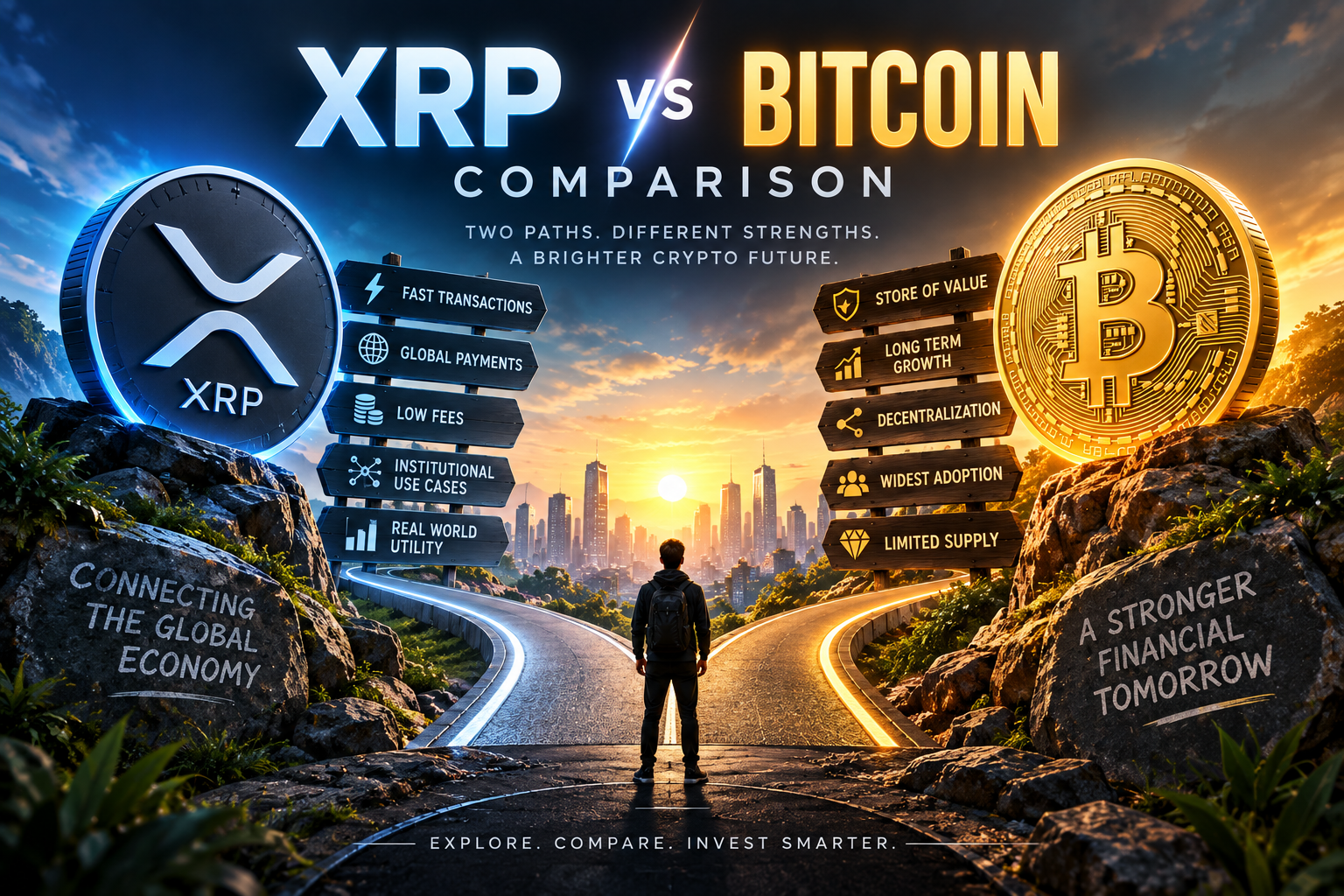
What Makes XRP Different From Bitcoin?
Bitcoin and XRP were created with different objectives.
Bitcoin is primarily known as a decentralized digital monetary asset.
XRP is closely associated with fast value transfers and payment related applications.
Their network designs are also different.
Bitcoin uses Proof of Work.
The XRP Ledger uses its own consensus mechanism.
Bitcoin has a maximum supply of 21 million BTC.
XRP has a much larger total supply.
These differences make direct comparisons difficult.
What Makes XRP Different From Ethereum?
Ethereum is primarily known as a programmable blockchain platform supporting smart contracts and decentralized applications.
XRP and the XRP Ledger have a stronger focus on payments and asset transfers.
Ethereum supports a broad ecosystem of decentralized applications.
The XRP Ledger is designed around fast transactions, payments, and asset functionality.
Both are established blockchain ecosystems, but their goals are different.
XRP Supply and Tokenomics
Supply is an important factor when evaluating any cryptocurrency.
XRP has a large total supply compared with Bitcoin.
A significant amount of XRP has been distributed or placed into various forms of controlled supply over time.
Investors should distinguish between:
- Total supply
- Circulating supply
- Tokens held by different entities
- Future releases
- Actual market demand
A cryptocurrency’s price should not be evaluated simply by comparing the price of one coin with another.
Market capitalization and supply are important parts of the calculation.
What Is XRP Market Capitalization?
Market capitalization is generally calculated by multiplying the circulating supply of an asset by its current market price.
For example, a cryptocurrency with a low individual coin price can still have a very large market capitalization if it has a large circulating supply.
This is why XRP’s price should not be compared directly with Bitcoin based only on the number shown for one coin.
XRP’s Regulatory History
Regulation has been an important factor in XRP’s history.
Legal and regulatory developments involving Ripple and XRP have attracted significant attention from cryptocurrency investors and the broader financial industry.
Regulatory uncertainty can affect investor sentiment and market prices.
Because cryptocurrency regulations can change, investors should consider current information rather than relying only on historical events.
Anyone making an investment decision should verify the latest legal and regulatory developments in their jurisdiction.
What Could Make XRP More Valuable?
Several factors could potentially influence XRP’s future value.
Increased Adoption
Greater use of the XRP Ledger or XRP for payments could increase demand.
Growing Blockchain Adoption
Broader adoption of blockchain based financial infrastructure could create additional opportunities.
Improved Market Access
Greater availability through regulated financial platforms could potentially increase accessibility.
Institutional Interest
Interest from financial institutions and professional market participants could influence liquidity and demand.
Ecosystem Growth
More applications, developers, and use cases could strengthen the XRP Ledger ecosystem.
None of these factors guarantees an increase in XRP’s price.
What Could Cause XRP to Lose Value?
XRP also faces several risks.
Cryptocurrency Market Volatility
XRP can experience substantial price increases and declines.
Regulatory Changes
New rules or legal developments could affect how XRP is traded or used.
Competition
XRP operates in a competitive environment that includes traditional payment systems and other blockchain networks.
Adoption Risk
A promising technology may not achieve the level of adoption expected by investors.
Market Sentiment
Cryptocurrency prices can be heavily influenced by investor sentiment and speculation.
Concentration and Supply Concerns
Investors may consider how XRP’s supply is distributed and how future supply entering the market could affect market dynamics.
Is XRP a Safe Investment?
XRP should not be considered a risk free investment.
Cryptocurrency markets can experience large price movements within short periods.
Even established cryptocurrencies can decline substantially.
A project can also have useful technology while its token price performs poorly.
Investors should therefore separate the question of whether XRP technology has potential from the question of whether buying XRP at a particular price is a suitable investment.
Can XRP Reach a Higher Price?
It is impossible to know with certainty what price XRP will reach in the future.
Online predictions often suggest specific future prices, but these forecasts depend on assumptions about adoption, market conditions, regulation, liquidity, and investor demand.
Extreme price predictions should be treated cautiously.
A better approach is to consider different scenarios rather than assuming that one price target will definitely occur.
What Factors Affect XRP’s Price?
XRP’s price can be influenced by many factors.
These include:
- Overall cryptocurrency market conditions
- Bitcoin price movements
- XRP demand
- Market liquidity
- Regulatory developments
- Payment adoption
- Investor sentiment
- Exchange availability
- Macroeconomic conditions
- Broader blockchain adoption
These factors can interact in unpredictable ways.
XRP and Bitcoin Market Cycles
XRP’s market behavior can sometimes be influenced by broader cryptocurrency cycles.
Bitcoin often plays an important role in overall crypto market sentiment.
When the cryptocurrency market enters a strong bullish period, other digital assets may also experience increased demand.
During bearish periods, XRP can experience significant selling pressure.
This means XRP should not be analyzed completely independently from the broader crypto market.
Is XRP Useful Beyond Investment?
Yes.
XRP is designed to function as a digital asset within the XRP Ledger.
Potential uses include:
- Value transfers
- Payments
- Liquidity
- Asset exchange
- Blockchain based applications
The XRP Ledger also supports other digital assets and financial functions.
Therefore, XRP has utility beyond simply being something people trade.
XRP Investment vs XRP Utility
This distinction is important.
A cryptocurrency can have real technological utility without necessarily becoming a successful investment.
For XRP, investors should separately consider:
Technology: Does the XRP Ledger solve useful problems?
Adoption: Are people and organizations actually using it?
Demand: Is there sustainable demand for XRP?
Token economics: How does supply affect the asset?
Market conditions: What is happening across the broader crypto market?
Risk: What could cause the investment thesis to fail?
Looking at these factors together provides a more balanced perspective.
Should Beginners Buy XRP?
Beginners should not purchase XRP simply because they see predictions about a future price increase.
Before considering XRP, understand:
- How cryptocurrency markets work
- How XRP and the XRP Ledger function
- How wallets work
- How cryptocurrency exchanges operate
- What fees may apply
- How market volatility works
- What risks you can tolerate
It can also be useful to start by learning rather than immediately investing.
How Much XRP Should You Buy?
There is no universally appropriate amount.
The right amount depends on personal financial circumstances, investment goals, and risk tolerance.
A basic principle for speculative assets is to avoid committing money that would create financial hardship if lost.
Cryptocurrency should not replace essential savings or emergency funds.
Is XRP Better Than Bitcoin?
There is no universal winner.
Bitcoin and XRP have different designs and intended uses.
Bitcoin is commonly viewed as a decentralized digital monetary asset.
XRP is associated more closely with payment and value transfer infrastructure.
An investor interested in one may not necessarily have the same reasons for considering the other.
Is XRP Better Than Ethereum?
Again, the answer depends on the objective.
Ethereum provides a broad smart contract platform.
XRP focuses more strongly on fast transactions and payment related use cases.
They are solving different problems.
Comparing them only by price does not provide a meaningful evaluation.
How to Research XRP Before Investing
A structured research process can help.
Start by understanding the XRP Ledger.
Then examine XRP’s supply and distribution.
Review historical price behavior.
Research regulatory developments.
Study adoption and ecosystem activity.
Consider competition.
Review market conditions.
Finally, determine whether the asset fits your own financial objectives and risk tolerance.
Avoid relying on a single social media post, influencer, or price prediction.
Common XRP Investment Mistakes
Buying Because of a Price Prediction
A prediction is not a guarantee.
Ignoring Supply
Token supply can affect valuation.
Confusing Ripple With XRP
They are related but not identical.
Investing Based on Headlines
News can influence short term prices without changing long term fundamentals.
Ignoring Risk
XRP can experience substantial volatility.
Assuming Adoption Guarantees Price Growth
Technology adoption and token price performance are not always directly connected.
Putting Too Much Money Into One Cryptocurrency
Concentration can increase portfolio risk.
Is XRP Worth Considering?
XRP may be worth researching for people interested in blockchain based payments, digital assets, and cryptocurrency infrastructure.
Its established market presence and payment related design make it different from many other crypto projects.
However, potential investors should balance these strengths against volatility, regulation, competition, supply considerations, and uncertainty about future adoption.
The key question is not simply whether XRP is good or bad.
The better question is whether the potential benefits and risks fit your own investment objectives.
Final Thoughts
Is XRP a good investment?
It can be an interesting cryptocurrency to research, but there is no guaranteed answer.
XRP has a distinctive position in the cryptocurrency market because of the XRP Ledger’s focus on fast value transfers and its connection to payment infrastructure.
At the same time, XRP remains a volatile digital asset.
Its future value could be influenced by adoption, regulation, market conditions, competition, supply dynamics, and investor demand.
Anyone considering XRP should conduct independent research and understand that cryptocurrency investments can result in significant losses.
The strongest approach is to evaluate XRP based on its technology, actual utility, adoption, token economics, market conditions, and personal risk tolerance rather than relying on hype or guaranteed price predictions.
Frequently Asked Questions
Is XRP a good investment?
There is no guaranteed answer. XRP has potential use cases and an established position in the cryptocurrency market, but it also carries significant volatility and regulatory risks.
Is XRP safe to invest in?
XRP is not risk free. Its price can change substantially, and cryptocurrency investments can result in significant losses.
What is XRP used for?
XRP can be used to transfer value on the XRP Ledger and is associated with payment, liquidity, and asset transfer use cases.
Is XRP the same as Ripple?
No. XRP is a digital asset, while Ripple is a technology company. They are related but are not the same thing.
Is XRP a cryptocurrency?
Yes. XRP is a digital asset that operates on the XRP Ledger.
Can XRP increase in value?
XRP’s price can increase or decrease based on market demand, sentiment, adoption, regulation, liquidity, and broader cryptocurrency market conditions.
Can XRP lose value?
Yes. XRP can experience significant declines, particularly during cryptocurrency market downturns or periods of negative sentiment.
Does XRP have a maximum supply?
XRP has a defined maximum supply of 100 billion XRP.
Is XRP better than Bitcoin?
Neither is universally better. Bitcoin and XRP were designed for different purposes and have different network structures.
Is XRP better than Ethereum?
They serve different purposes. Ethereum focuses heavily on smart contracts and decentralized applications, while XRP is more closely associated with payments and value transfers.
Does XRP use mining?
No. XRP is not mined in the same way as Bitcoin.
How are XRP transactions validated?
The XRP Ledger uses a consensus mechanism involving independent validators that follow the network’s consensus rules.
Why is XRP associated with payments?
The XRP Ledger was designed to support fast value transfers, and XRP can be used within that ecosystem for transferring value and facilitating liquidity.
Can XRP be used for international payments?
XRP can be transferred internationally through the XRP Ledger. Its potential role in cross border payment systems is one reason it has attracted attention.
What affects XRP’s price?
Factors include cryptocurrency market conditions, supply and demand, regulation, adoption, liquidity, investor sentiment, and developments involving the broader XRP ecosystem.
Should beginners invest in XRP?
Beginners should first understand cryptocurrency markets, XRP’s technology, risks, supply structure, and their own financial situation before considering an investment.
How much money should I invest in XRP?
There is no universal amount. Any investment should reflect your financial circumstances and ability to tolerate losses.
Can XRP reach a specific future price?
No future price can be guaranteed. Predictions depend on assumptions that may not materialize.
Does XRP have real utility?
XRP has utility within the XRP Ledger, including value transfer and payment related functions. The extent of future adoption remains uncertain.
What are the biggest risks of investing in XRP?
Important risks include price volatility, regulatory changes, competition, adoption uncertainty, market sentiment, liquidity conditions, and supply related considerations.
Should I buy XRP based on social media predictions?
It is better to conduct independent research rather than making investment decisions solely from social media predictions or influencer claims.
Is XRP a long term investment?
XRP can be held as a long term speculative asset, but whether it is appropriate for an individual depends on their financial objectives, risk tolerance, and assessment of its future potential.
What should I research before buying XRP?
Research the XRP Ledger, XRP supply, token distribution, technology, adoption, regulatory environment, competition, market conditions, and risks before making an investment decision.