Bitcoin has changed considerably since it first appeared as a niche digital currency. In 2026, it is followed by individual investors, financial institutions, companies, traders, and policymakers around the world.
At the same time, Bitcoin remains a highly volatile asset. Its price can move thousands of dollars within a short period, and investors can experience substantial gains as well as substantial losses.
So, is Bitcoin a good investment in 2026?
The answer depends on what an investor expects from the asset, how long they plan to hold it, and how much risk they are prepared to accept. Bitcoin may have a place in some investment portfolios, but it should not automatically be treated as a safe or guaranteed investment.
Understanding Bitcoin as an Investment
Bitcoin is different from traditional investments such as stocks and bonds.
When you purchase shares of a company, you own part of that company and may benefit from its earnings, dividends, and business growth. Bonds generally provide interest payments. Bitcoin does not work in the same way.
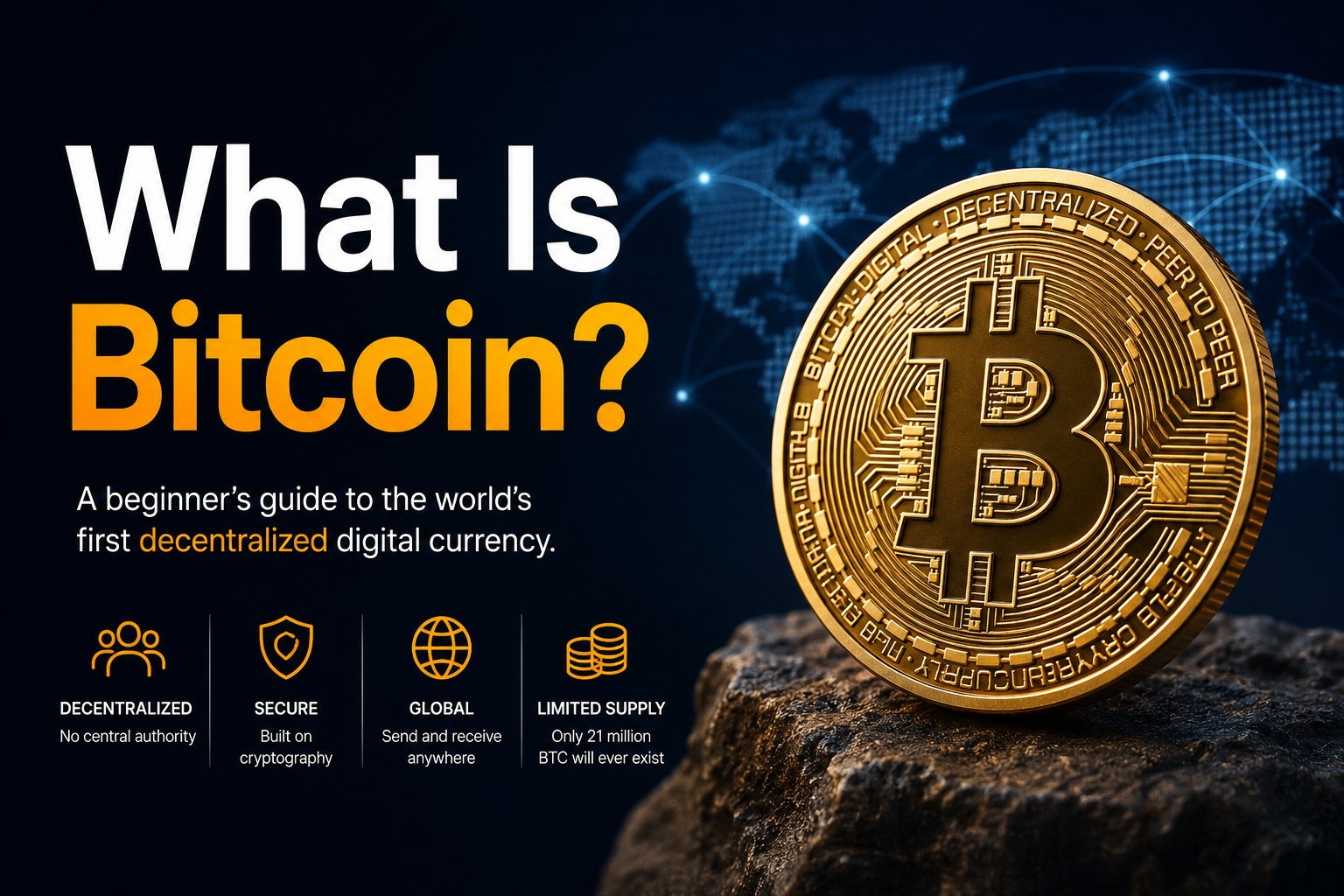
Bitcoin is a decentralized digital asset. Its value is primarily determined by market demand, available supply, investor sentiment, adoption, liquidity, and expectations about its future use.
One of Bitcoin’s most well known characteristics is its limited supply. The Bitcoin network is designed around a maximum supply of 21 million coins.
This limited supply is one reason some investors view Bitcoin as a scarce digital asset. However, scarcity by itself does not guarantee that an asset will increase in price. Demand remains equally important.
What Is Happening With Bitcoin in 2026?
Bitcoin’s 2026 price action has demonstrated just how quickly market conditions can change.
Bitcoin experienced a major recovery during August after reaching levels around $60,000, later moving above $70,000 and briefly climbing beyond $80,000. By September, the market was again experiencing pressure, with Bitcoin trading around the mid $70,000 range following regulatory and macroeconomic developments.
This movement highlights an important characteristic of Bitcoin. Even when the broader long term story remains strong, the short term market can change rapidly.
Investors therefore need to separate the long term Bitcoin investment thesis from short term price movements.
Institutional Interest in Bitcoin
One of the biggest changes surrounding Bitcoin is the involvement of institutional investors.
Financial institutions now have more ways to gain exposure to Bitcoin than they did several years ago. Exchange traded products, custody services, institutional trading platforms, and other financial infrastructure have made digital assets more accessible to professional investors.
A 2026 institutional investor survey involving hundreds of institutional decision makers showed continued interest in increasing digital asset allocations, while investors also placed greater emphasis on risk management, liquidity, and position sizing.
This is significant because institutional participation can increase the depth and accessibility of the Bitcoin market.
However, institutional involvement does not mean Bitcoin has become a low risk asset.
Institutions can also reduce their exposure when market conditions change. Large investment funds may respond to interest rates, liquidity conditions, economic data, portfolio allocations, or changes in risk appetite.
Bitcoin ETFs and Easier Market Access
Another important development is the growth of Bitcoin exchange traded products.
These products allow investors to obtain Bitcoin exposure through traditional investment accounts in markets where such products are available.
This can make Bitcoin easier to access for investors who do not want to manage cryptocurrency wallets or private keys themselves.
The growth of these products has also contributed to greater participation from professional investors.
However, an exchange traded Bitcoin product still carries exposure to Bitcoin’s underlying price movements. If Bitcoin falls sharply, the investment connected to it can also lose value.
In other words, easier access does not mean lower market risk.
Bitcoin’s Limited Supply
The 21 million Bitcoin supply limit is central to the investment argument surrounding Bitcoin.
Traditional currencies can have their supply changed through monetary policy. Bitcoin’s issuance follows predetermined rules built into its network.
New Bitcoin is introduced through mining, and the amount of new Bitcoin entering circulation decreases over time.
Supporters believe this predictable scarcity could make Bitcoin attractive as a long term store of value.
But investors should be careful about assuming that limited supply automatically creates higher prices.
For Bitcoin to appreciate, demand must remain strong or increase. If demand falls significantly, the price can fall even though the maximum supply remains unchanged.
Bitcoin as a Potential Diversifier
Some investors consider Bitcoin as one part of a diversified portfolio.
A portfolio may contain stocks, bonds, cash, real estate, commodities, and alternative assets. Bitcoin can provide exposure to a different type of asset and a different financial network.
However, diversification does not mean that Bitcoin will always move independently of traditional markets.
During periods of market stress, investors may sell multiple types of risky assets at the same time. Bitcoin can therefore decline alongside stocks and other investments.
Investors should not assume that Bitcoin will automatically protect a portfolio during a market downturn.
The Biggest Advantage of Bitcoin
One potential advantage of Bitcoin is its global and decentralized nature.
Bitcoin can be transferred across borders without relying on a traditional banking system for the underlying network.
It also operates continuously rather than following traditional stock market opening and closing hours.
Another characteristic is its transparent supply structure. The rules governing Bitcoin issuance are publicly known, and the network operates through a distributed system rather than being controlled by a single company.
These characteristics are part of the reason Bitcoin continues to attract interest from investors.
The Biggest Risk of Bitcoin
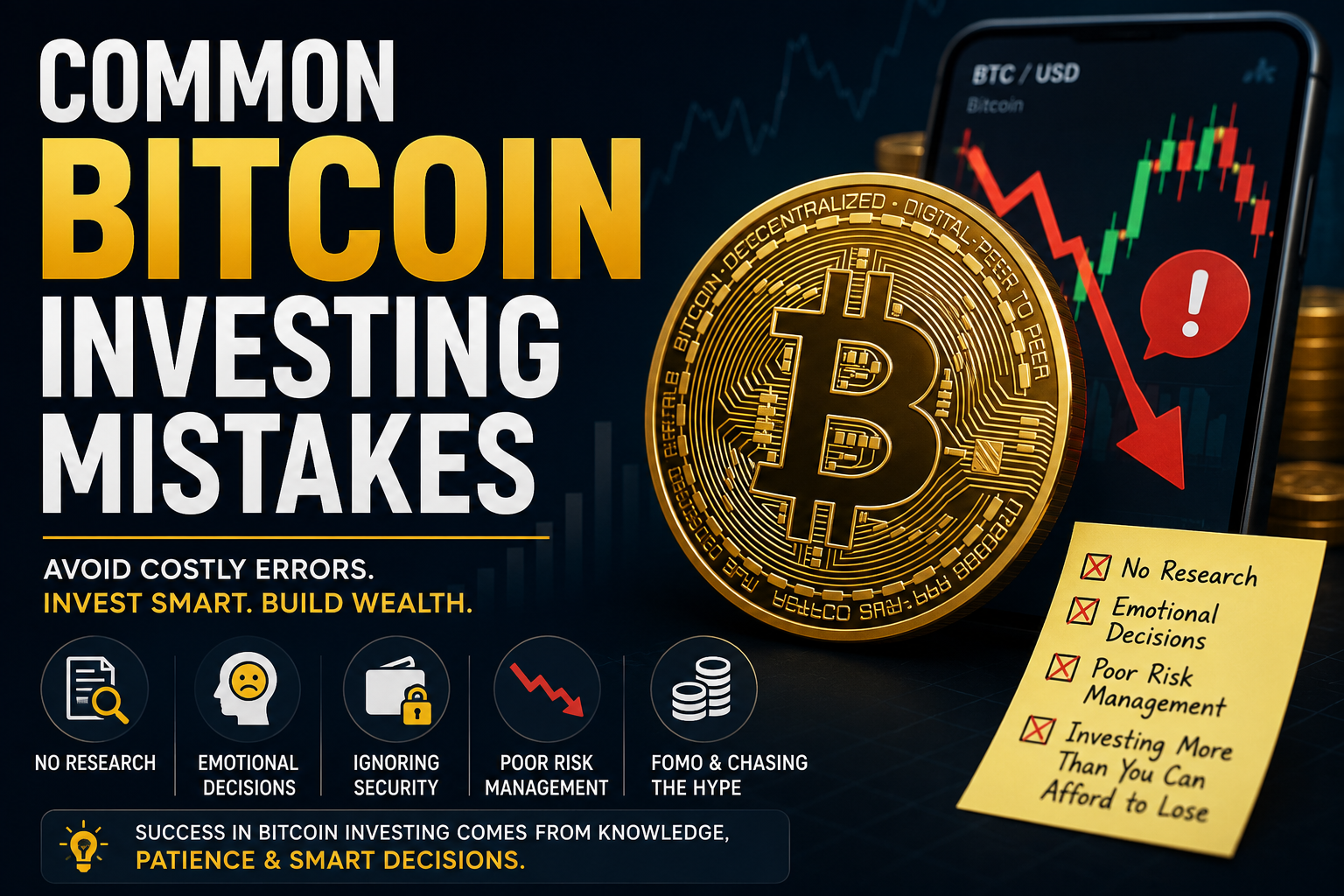
The biggest concern for many investors is volatility.
Bitcoin can experience very large price movements within relatively short periods.
An investor who purchases Bitcoin during a strong market rally may see the value of their investment decline substantially during a correction.
This makes Bitcoin very different from assets that investors traditionally associate with stability.
A person who cannot tolerate substantial temporary losses may find Bitcoin particularly difficult to hold during periods of market stress.
Regulatory Risk in 2026
Regulation remains an important issue for Bitcoin.
Governments around the world continue to develop rules covering cryptocurrency exchanges, taxation, custody, digital asset businesses, investment products, and financial reporting.
Regulatory developments can affect cryptocurrency markets quickly.
For example, developments surrounding proposed cryptocurrency legislation in the United States have influenced Bitcoin prices and cryptocurrency related companies during September 2026.
This demonstrates that Bitcoin is affected not only by technology and market demand but also by government policy and financial regulation.
Investors should therefore pay attention to the regulatory environment in the country where they live.
Interest Rates and Bitcoin
Interest rates can also influence Bitcoin.
When borrowing costs and bond yields are high, investors may become more selective about speculative or high risk assets.
When financial conditions become easier, investors may become more willing to take risk.
Bitcoin is therefore affected by the broader economic environment.
Inflation, employment data, central bank decisions, bond yields, currency movements, and global liquidity can all influence cryptocurrency markets.
This does not mean Bitcoin will always move in the same direction as traditional financial markets. Instead, it shows that Bitcoin is increasingly connected to the wider investment environment.
Is Bitcoin Good for Long Term Investors?
Bitcoin may be more suitable for investors who have a long investment horizon and understand that significant price fluctuations can occur along the way.
A long term investor may focus on questions such as:
How widely will Bitcoin be adopted?
Will institutional demand continue?
Will regulated investment products continue expanding?
Will Bitcoin remain an important digital asset?
Will its limited supply continue to influence demand?
These questions are more relevant to a long term investment thesis than trying to predict what Bitcoin will do next week or next month.
However, holding Bitcoin for a long time does not guarantee a profit.
Is Bitcoin Suitable for Beginners?
Beginners should approach Bitcoin carefully.
Before investing, a new investor should understand how Bitcoin works, how cryptocurrency transactions work, how investment platforms operate, and how digital assets are secured.
Security is particularly important for people who hold Bitcoin directly.
Investors should also understand the financial consequences of losing access to their cryptocurrency accounts or wallets.
Most importantly, beginners should avoid treating Bitcoin as a guaranteed way to become wealthy.
Online discussions can sometimes focus heavily on dramatic price increases while ignoring the periods when Bitcoin experienced major declines.
A balanced approach requires considering both possibilities.
How Much Bitcoin Should Someone Buy?
There is no single amount that is appropriate for everyone.
The answer depends on income, savings, existing investments, debt, financial responsibilities, investment goals, and risk tolerance.
Someone with substantial emergency savings and a diversified portfolio may have a different risk capacity from someone who is investing their entire savings.
Investors should never assume that a particular percentage is suitable simply because another investor uses it.
The amount invested should be an amount the investor can financially and emotionally tolerate losing.
Should You Buy Bitcoin All at Once?
Investors have different approaches to entering the Bitcoin market.
Some prefer to make one purchase based on their view of the current valuation.
Others spread purchases over time. This approach is sometimes called dollar cost averaging.
With gradual investing, an investor purchases smaller amounts at different prices rather than attempting to identify one perfect entry point.
This can reduce dependence on a single purchase price, although it does not eliminate investment risk.
Bitcoin can still decline after several gradual purchases.
Bitcoin vs Traditional Investments
Bitcoin and traditional investments serve different purposes.
Stocks are connected to business ownership and corporate earnings. Bonds are generally connected to lending and interest payments. Cash provides liquidity and stability. Real estate provides exposure to property.
Bitcoin represents exposure to a decentralized digital asset.
There is no requirement that an investor choose only one category. A diversified portfolio can contain different assets depending on the investor’s goals and risk tolerance.
The important point is understanding what each investment actually represents.
What Could Affect Bitcoin for the Rest of 2026?
Several factors could influence Bitcoin during the remainder of 2026.
Interest rate decisions will remain important because changes in monetary policy can influence global liquidity and investor risk appetite.
Regulatory developments may also have a significant impact.
Institutional demand is another factor to watch. Continued demand through investment products could provide additional market support, while reduced institutional flows could have the opposite effect.
Global economic conditions, inflation, geopolitical developments, currency movements, and cryptocurrency market liquidity could also influence Bitcoin.
There is no single factor that can reliably determine Bitcoin’s future price.
Is Bitcoin a Good Investment in 2026?
Bitcoin can be an investment opportunity for people who understand its risks and believe in its long term potential.
Its limited supply, growing financial infrastructure, institutional participation, global accessibility, and established position within the digital asset market make it different from many traditional investments.
At the same time, Bitcoin remains volatile.
An investor can experience substantial losses, sometimes within a relatively short period. Regulatory developments, interest rates, market sentiment, liquidity, and broader economic conditions can all affect its value.
For that reason, the better question is not simply whether Bitcoin is good or bad.
The more useful question is whether Bitcoin fits a particular investor’s financial objectives, investment timeframe, and tolerance for risk.
Anyone considering Bitcoin in 2026 should research the asset carefully, maintain appropriate diversification, avoid investing money needed for essential expenses, and understand that past performance does not guarantee future results.
Frequently Asked Questions
Is Bitcoin still worth investing in 2026?
Bitcoin remains one of the most widely followed digital assets in the world. It may be suitable for investors who understand its risks and have a long enough investment horizon to tolerate significant price fluctuations.
Is Bitcoin safe to invest in?
Bitcoin is not considered a low risk investment. Its price can move sharply, and investors can lose substantial amounts of money.
Can Bitcoin reach a new high in 2026?
Bitcoin could rise or fall significantly during 2026. Future prices cannot be known with certainty, so investors should avoid treating price predictions as guarantees.
Is Bitcoin suitable for beginners?
Beginners can learn about Bitcoin and consider investing, but they should understand volatility, security, taxes, regulations, and the possibility of losses before committing money.
Should I invest all my savings in Bitcoin?
Putting all savings into a single highly volatile asset creates significant concentration risk. Investors should consider their broader financial situation and maintain money for essential needs and emergencies.
Is Bitcoin better than stocks?
Bitcoin and stocks are fundamentally different investments. Stocks represent ownership in businesses, while Bitcoin is a decentralized digital asset. Whether either is appropriate depends on the investor’s objectives and risk tolerance.
Can Bitcoin lose a large percentage of its value?
Yes. Bitcoin has historically experienced significant corrections and periods of substantial decline. Investors should be prepared for this possibility.
What makes Bitcoin valuable?
Bitcoin’s value is influenced by demand, scarcity, adoption, liquidity, market sentiment, network characteristics, and expectations about its future role in the financial system.
Is Bitcoin a good long term investment?
Bitcoin may appeal to investors who believe digital assets will become increasingly important over the long term. However, long term holding does not guarantee positive returns.
What is the biggest risk of investing in Bitcoin?
Price volatility is one of the largest risks. Regulatory changes, security problems, liquidity changes, and shifts in investor sentiment are also important risks.
Should I buy Bitcoin during a price decline?
A falling price does not automatically mean an asset is undervalued. Investors should consider the reasons behind the decline and their own investment strategy rather than buying solely because the price has fallen.
How should beginners approach Bitcoin in 2026?
Beginners should start by learning how Bitcoin works, understanding the risks, using appropriate security practices, and investing only an amount they can afford to lose.